
Title: Electrochemical CO₂ Reduction: Multiscale Modeling and System Design
Abstract:
Electrochemical CO2 reduction (CO2RR) is an important route for carbon utilization and the production of sustainable fuels and chemicals. Its performance is closely related to coupled transport and reaction processes across different scales, from the reaction interface and porous electrodes to electrochemical reactors and process systems.
This talk will discuss numerical modeling and system analysis of CO2RR, with emphasis on understanding cross-scale mass transfer and reaction mechanisms, guiding the design of electrodes and reactors, and evaluating emerging CO2RR-based chemical systems. The presentation will also highlight the role of computational methods in bridging fundamental transport phenomena with practical process design and techno-economic assessment.
Short Bio:
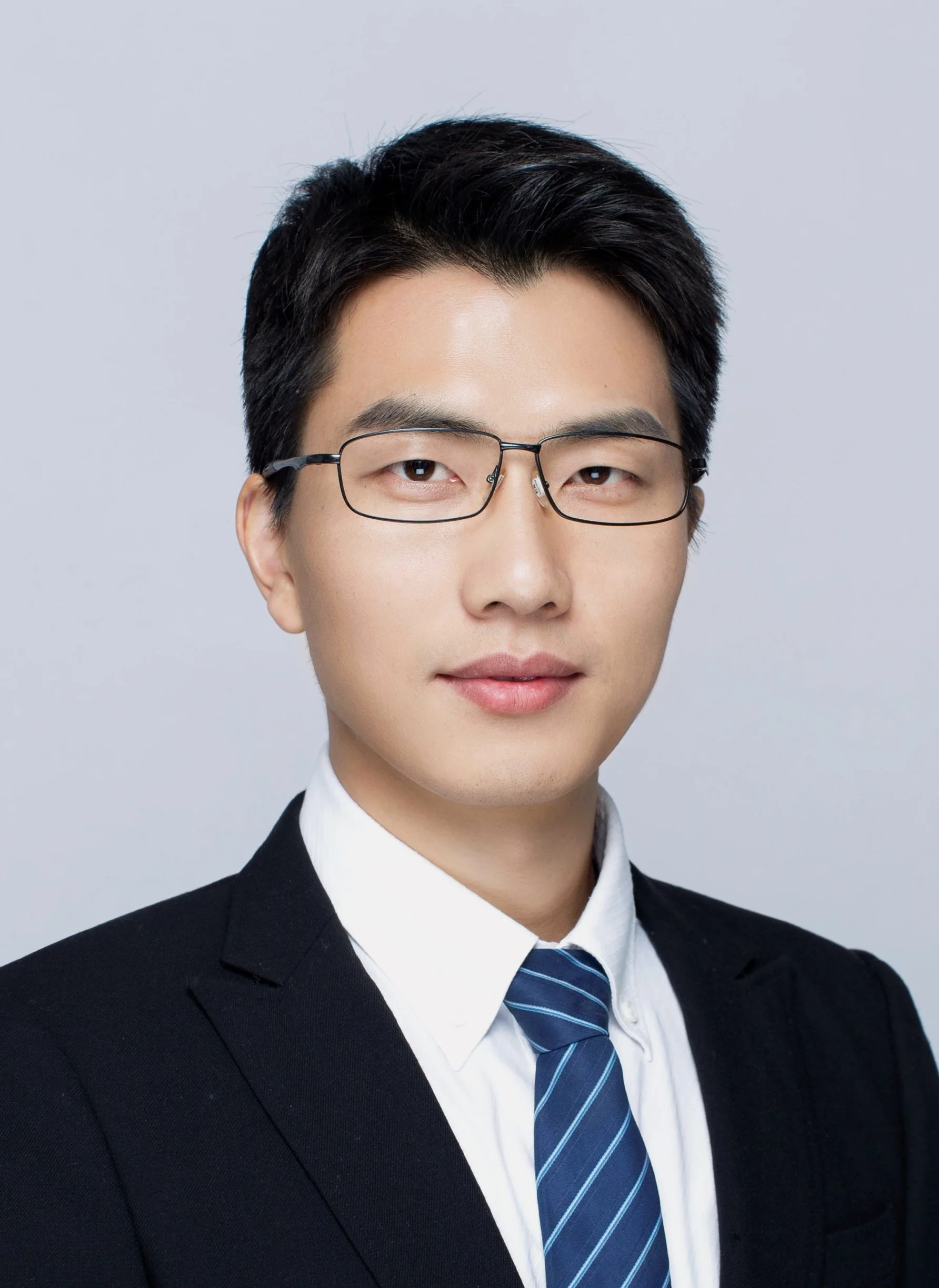
Prof. Qian Fu is a Professor, PhD supervisor, and Vice Dean of the School of Energy and Power Engineering at Chongqing University, China. His research focuses on multiscale energy and mass transport in electrochemical energy conversion systems, electrochemical CO2 reduction, and microbial energy conversion. He has published more than 100 SCI papers in leading journals, including Advanced Energy Materials, Science Bulletin, and Environmental Science & Technology. He was also listed among Stanford University’s World’s Top 2% Scientists. He has also led numerous national and provincial research projects and published extensively in thermal sciences, electrochemical energy conversion, and transport phenomena.
Title: Geothermal Energy Utilization: An Overview and Modelling Challenges
Abstract: As a sustainable and low-carbon resource, geothermal energy holds strong potential to contribute significantly to global decarbonization efforts. However, due to challenges like high upfront costs, resource uncertainties, and limited institutional support, its share in the current global energy mix remains modest at around 0.34%, despite its vast technical promise. That said, its capability to provide continuous, dispatchable baseload power makes it an excellent complement to intermittent renewable sources like solar and wind.
Between 2009 and 2024, global installed geothermal capacity grew from roughly 10.7 GWe to more than 16.9 GWe, with over thirty nations now actively utilizing hydrothermal power. Technological breakthroughs in high-temperature drilling, reservoir characterization, and power-plant designs—such as flash and binary cycles—have enhanced overall efficiency and expanded its range of application. Furthermore, frontier approaches like Enhanced Geothermal Systems (EGS) and supercritical resource development continue to push the boundaries of geothermal energy deployment.
For many geothermal applications—particularly high-potential options like EGS—substantial investment costs lead to high financial risks, which often makes decision-makers hesitant to commit to new projects. Because these large-scale systems cannot be evaluated through traditional laboratory testing, mathematical modeling and numerical simulation become essential. Even though they involve various inherent uncertainties, these computational tools serve as a crucial guide to support strategic decision-making. These mathematical models are also highly effective for optimizing and further developing existing systems and units.
This presentation will begin with an overview of geothermal energy and its applications for heat and electricity generation. The second part of the talk will address the specific challenges of mathematical modeling and numerical simulation of the thermofluid processes in certain systems, illustrated and discussed through selected case studies.
Short Bio:
Prof. Dr.-Ing. habil. Ali Cemal Benim received his bachelor’s and master’s degrees in Mechanical Engineering from Boğaziçi University in Istanbul, Turkey. He earned his Ph.D. with highest distinction (summa cum laude) from the University of Stuttgart, Germany, at the Institute of Process Engineering and Power Plant Technology. Following his doctorate, he joined ABB Turbo Systems Ltd. in Baden, Switzerland, where he served as the Manager of the Computational Flow and Combustion Modelling Group within the Thermal Machinery Laboratory R&D department.
Since 1996, Prof. Benim has been a Professor of Energy Technology at the Düsseldorf University of Applied Sciences, within the Faculty of Mechanical and Process Engineering. His global academic appointments include a Professorship in Mechanical Engineering at Bursa Technical University in Turkey (since 2025) and an Adjunct Professorship at VelTech University in Chennai, India (since 2022). He has also served as a Visiting Professor at numerous universities across China, India, Poland, Switzerland, and Turkey.
His research focuses on the mathematical modeling and computational simulation of fluid flow, heat, and mass transfer in engineering applications, with a particular emphasis on energy technology. A highly cited researcher, Prof. Benim has been ranked among the top 2% of scientists worldwide since 2019. He currently holds several prominent editorial roles, serving as an Editor of Energy Conversion and Management, Editor-in-Chief of Computation, Section Editor-in-Chief of Fire, and Executive Editor of Progress in Computational Fluid Dynamics, alongside memberships on various international editorial boards.
Title: Thermal Energy Storage: Highly-efficient Mechanisms and Dynamic Regulation Methods
Abstract: Mechanisms for highly efficient thermal energy storage and methods for effective regulation of quality of energy are critical for the efficient utilization of large-scale storage in microgrids. Challenges arise from the low thermal conductivity of phase-change thermal storage materials, the limited application ranges of design methods for phase-change thermal storage devices, and the difficulty of adjusting energy-grade regulation for thermal energy storage and utilization systems. This invited keynote lecture will address the following three aspects of the "material-device-system": 1) the functional group optimization mechanism of PCM performance is proposed under multiple constraints. Various types of and innovation for high energy-density thermal storage materials are developed; 2) interpretable machine learning methods for quick design of thermal storage devices, considering the dynamic attenuation of the thermocline to demonstrate the multi-scale constitutive relations of thermal storage materials and macroscale parameters of thermal storage devices; and 3) novel methods regulating various typical energy storage systems, realizing fast response of thermal energy storage with load command of microgrids, along with examples of commercial explorations for related thermal energy storage technologies developed by our research team.
Short Bio:
Professor Ming-Jia Li is a tenured professor and vice dean of the School of Mechanical Engineering in Beijing Institute of Technology. She is deputy director of the Non-silicon Micro-nano Manufacturing Key Laboratory of the Ministry of Industry and Information Technology. She has been selected for the National High-Level Talent Program. Her research focuses on Frontiers of Energy and Power Engineering, Energy Storage and Development & Utilization of New Energy. As a Chief Scientist, she hosted national research programs. Related studies are published as the first/corresponding author in world-renowned journals. Among these, 14 papers are ranked as ESI Top 1% Highly Cited Papers, and 12 papers are selected as Research Fronts in the ESI database. She holds an H-index of 59 with over 11,000 citations. She consistently appears on the Elsevier Most Cited Chinese Researchers list and the World's Top 2% Scientists list. She delivered 31 plenary reports and invited keynotes at international and domestic conferences, and served as a session chair 16 times. Honours and awards received include the Hewitt-Goldstein Young Investigator Award, Asian Young Scientist Award etc.
She serves as associate editor for 2 international journals and on the editorial boards for 6 other international journals. She is the Junior Commission Member of the B2 Professional Committee of the Intl. Institute of Refrigeration etc.
Title: Surface Engineering with Metal Foams: Optimizing Morphology and Predictive Modeling
Abstract: Increasing power density in microelectronics requires efficient thermal management solutions, such as immersion cooling with dielectric fluids. While pool boiling offers low-cost, passive heat dissipation, its effectiveness is often limited by the critical heat flux (CHF) and low heat transfer coefficients (HTC) associated with wetting fluids. Our research group has focused on engineering open-cell metal foam surfaces to mitigate these limits.
Our findings demonstrate that metal foams eliminate temperature overshoot at the onset of boiling by providing interconnected pores that increase the density of active nucleation sites and the wetted area. However, we identified a critical trade-off: while thicker foams improve performance at low heat fluxes by increasing convective area, they become detrimental at high heat fluxes. Under high thermal loads, thicker structures trap vapor bubbles within the foam cells, creating an unstable boiling pattern and inhibiting liquid replenishment.
Furthermore, we investigated the interplay between material thermal conductivity and morphology. More recently, we explored the transition from uniform foams to porous microchannels and micro-pin fins. To support industrial applications, we developed a new pool boiling correlation based on dimensional analysis that accurately predicts HTC and maximum heat flux, validated with an average error of approximately 11%.
Finally, numerical simulations confirm that classical pin-fin models with adiabatic tips most accurately represent the thermal efficiency of these complex structures.
Short Bio
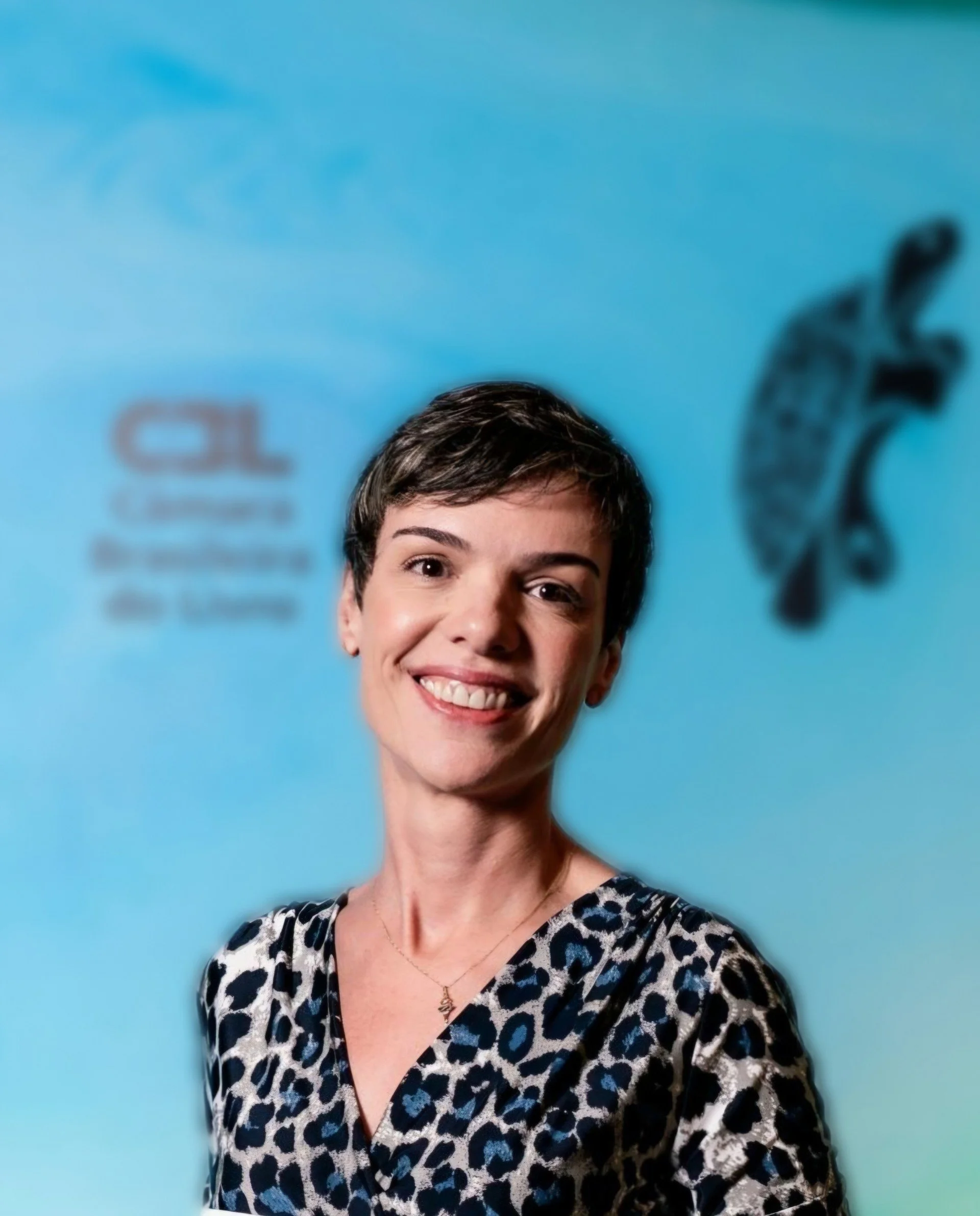
Elaine Maria Cardoso is an Associate Professor at the São Paulo State University – UNESP. Member of the Scientific Council of the International Centre for Heat and Mass Transfer (ICHMT), the Society for Energy, Materials Sustainability (SEMS), the Assembly of World Conferences on Experimental Heat Transfer, Fluid Mechanics, and Thermodynamics (AWC) and the Red Española de Almacenamiento de Energía Térmica (RedTES). She serves as the Chairwoman/President of the Organizing Committee for ENCIT 2026. Her research focuses on advanced thermal management and transport phenomena, including compact electronic cooling, photovoltaic thermal regulation, and surface engineering to enhance two-phase boiling and green hydrogen production.
Title: From Nanoscience to Industrial Impact: Advanced Materials and Technologies for Sustainable Energy and Environmental Solutions
Abstract: The transition toward sustainable energy systems and environmentally responsible industrial processes requires innovative technologies that overcome the technical, economic, and environmental limitations of conventional approaches. Engineered nanomaterials, with their unique size, surface properties, tunable interfacial interactions, and enhanced adsorptive and catalytic functionalities, offer transformative opportunities to improve process efficiency, reduce energy consumption, minimize waste, and recover valuable resources. This presentation will highlight advances from Dr. Nassar’s research group in developing functional nanomaterials and innovative processes for sustainable energy production, industrial decarbonization, and environmental remediation. Building on extensive fundamental and applied research, the group has developed nanoparticle-enabled technologies addressing critical challenges in enhanced oil recovery and upgrading, flow assurance, drag reduction, wax and asphaltene deposition inhibition, natural gas treatment and conditioning, CO₂ capture and conversion, industrial wastewater treatment, oil sands tailings management, and low-carbon cementitious materials.
The presentation will highlight recent developments in advanced flow-assurance technologies, where tailored nanomaterials and polymer-based additives are designed to improve fluid transport, control deposition, and enhance operational performance under challenging industrial conditions. The presentation will also explore emerging approaches for transforming industrial byproducts, oil sands residues, and biomass into value-added products, including functional materials, soil amendments, and humic substances. These developments show how innovative materials engineering and chemical conversion processes can support circular economy strategies while creating new opportunities for resource recovery and environmental sustainability. At the fundamental level, the research integrates controlled nanoparticle synthesis, surface functionalization, polymer grafting, and advanced physicochemical characterization with molecular mechanics, density functional theory (DFT), and molecular dynamics (MD) simulations. This multidisciplinary approach provides mechanistic insights into adsorption, catalysis, interfacial phenomena, and transport processes, enabling the rational design of materials with tailored functionalities and improved performance.
Beyond laboratory discoveries, the presentation will emphasize translating scientific advances into industrial applications through collaborative research, technology development, pilot-scale validation, and commercialization. By bridging fundamental science with engineering innovation and practical deployment, these efforts demonstrate how nanotechnology and advanced materials can serve as enabling platforms for cleaner energy production, improved industrial efficiency, waste valorization, and a more sustainable future.
Short Bio
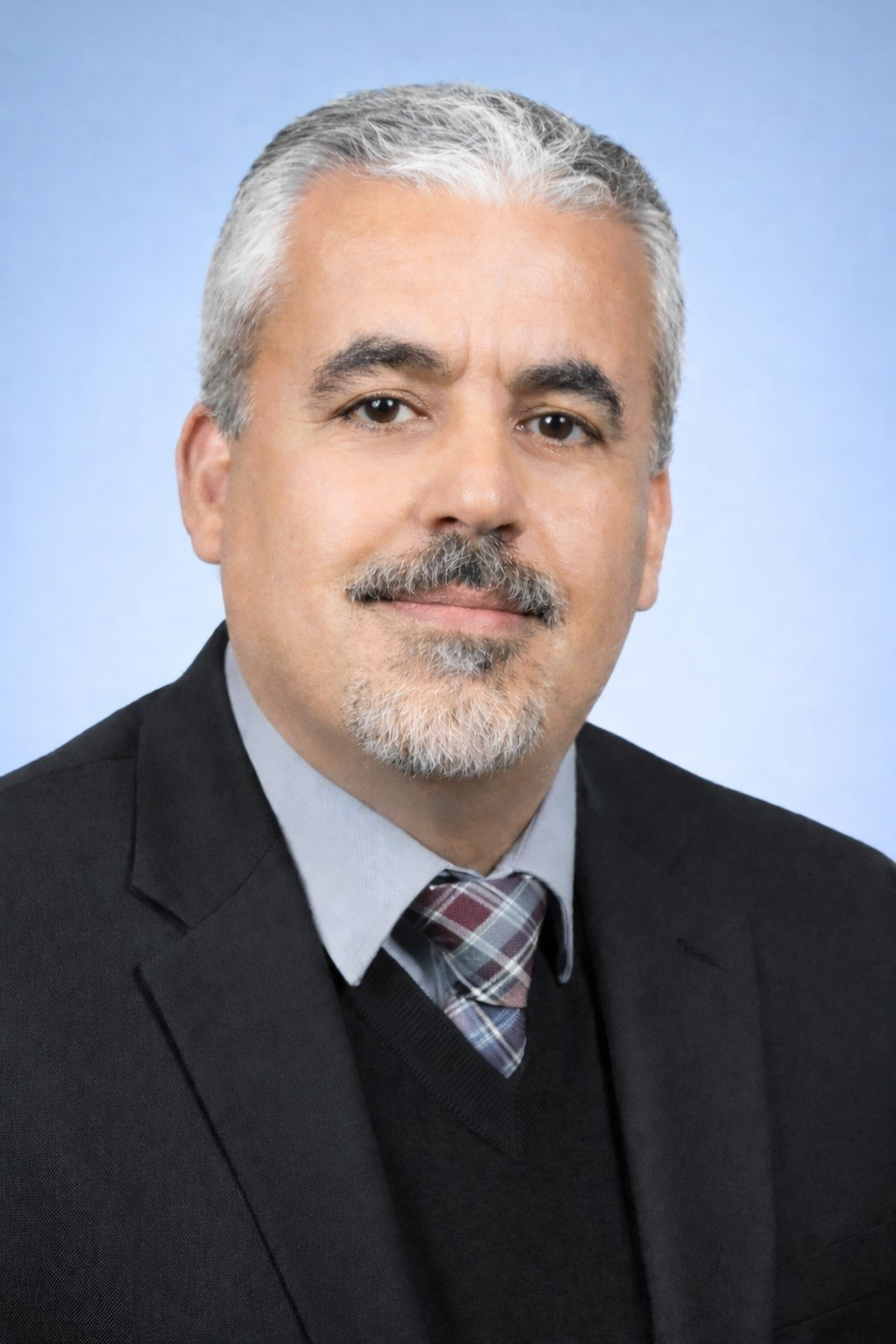
Dr. Nashaat N. Nassar is a Professor in the Department of Chemical and Petroleum Engineering at the University of Calgary. He holds the Schulich Industry Research Chair in Nanotechnology for Energy and Environmental Applications. His research bridges fundamental science and industrial implementation, with a strong focus on nanomaterials, interface science, and functional materials. His work advances the understanding of intermolecular and surface interactions in soft materials and engineering processes. Dr. Nassar is internationally recognized for pioneering nanomaterial-based technologies, advancing the design, synthesis, and interfacial behavior of functional nanomaterials, especially naturally derived and hybrid nanoparticles, to address critical challenges in carbon capture, natural gas treatment and processing, flow assurance, heavy oil upgrading and recovery, oil spill remediation, industrial wastewater and tailings treatment, enhancement of cementitious materials, and mineral extraction. By linking nanoscale transport phenomena and surface chemistry to macroscale process performance, his research has enabled low-energy, cost-effective, and industrially scalable solutions.
He has authored over 150 peer-reviewed journal articles, delivered more than 200 technical presentations, co-authored two books, filed ten U.S. patents, and founded four technology startups that translate nanomaterials research into industrial practice. His contributions have earned numerous awards and prizes, including the APEGA Early Accomplishment Award, John B. Grace Award, the ASTech Award for Environmental Innovation in Energy: Academia, and the ASTech Award for Sustainability Solutions and Cleantech. Dr. Nassar has led major industry–academic collaborations and is deeply committed to mentoring highly qualified personnel, having supervised or co-supervised over 150 HQP who have gone on to successful careers in academia and industry.

Title: Integrated Topology Optimization for Heat Transfer Applications
Abstract: Thanks to advances in computational methods and additive manufacturing, generative design through topology optimization is receiving increasing attention for heat transfer applications, including cold plates, extended surfaces, and thermal metamaterials. Beyond material distribution, additional design opportunities arise from integrating different materials, spatial and temporal scales, and physical processes within the optimization problem.
This talk will first review recent numerical and experimental developments in topology optimization for heat transfer. It will then discuss integrated topology optimization through different approaches, say multimaterial optimization to combine materials and their properties, multiscale optimization to connect microstructure and component design, multi-step design to consider time evolution, and multiphysics optimization to account for different physical processes. These approaches increase design freedom and offer opportunities to address limitations associated with local optima.
The discussion will then focus on selected applications. Multimaterial optimization will include porous media with different effective properties within the design domain for conduction-dominated heat transfer. Multiscale optimization will be illustrated through pin-fin heat exchangers, where unit-cell geometry and the complete exchanger are optimized considering fluid flow and conjugate heat transfer. Particular attention will be given to the balance between thermal performance, hydraulic cost, and weight.
Finally, the talk will highlight current limitations and possible extensions to radiative heat transfer, boiling, and further multiphysics problems, with the aim of fully exploiting the potential of integrated design methods for thermal management in engineering applications.
Short Bio
Marcello Iasiello is an Associate Professor in the Department of Industrial Engineering at the University of Naples Federico II, Italy, where he has been a faculty member since 2017. He received his Ph.D. in Mechanical Systems Engineering from the same university. His international experience includes visiting positions in the United States, Spain, and Thailand.
His research interests include computational heat transfer in porous and cellular materials, topology and multi-objective optimization, thermal energy storage, thermal management, and bioheat transfer. He has co-authored more than 138 publications and has a Scopus h-index of 33.
Prof. Iasiello has been elected to the Executive Committee of the International Centre for Heat and Mass Transfer (ICHMT). He serves as an associate editor of Case Studies in Thermal Engineering and holds editorial roles in other international journals in thermal sciences. He has led research projects with Italian research institutions and within national programmes, and participates in European projects. He has given invited talks at international conferences such as TFEC and ISTFD, and at industrial events. He received the Italian Union of Thermal-Fluid-Dynamics Prize for the best Ph.D. thesis and the Graham de Vahl Davis Best Paper Award at CHT-21 and CHT-24. Since 2022, he has been included in Stanford University’s annual list of the world’s top 2% scientists.